
MISSIVE 21
How Death Informs Temperance via the Vitriolic Tarot
The Vitriolic Tarot associates the Major Arcana with phases of the alchemical process, weaving a second hierarchical system into the cards. This begins with the Black Phase, which leads from Calcination (The Fool) to Fermentation (Death). A chemical reaction forms a lesser stone, which is then allowed to decay:
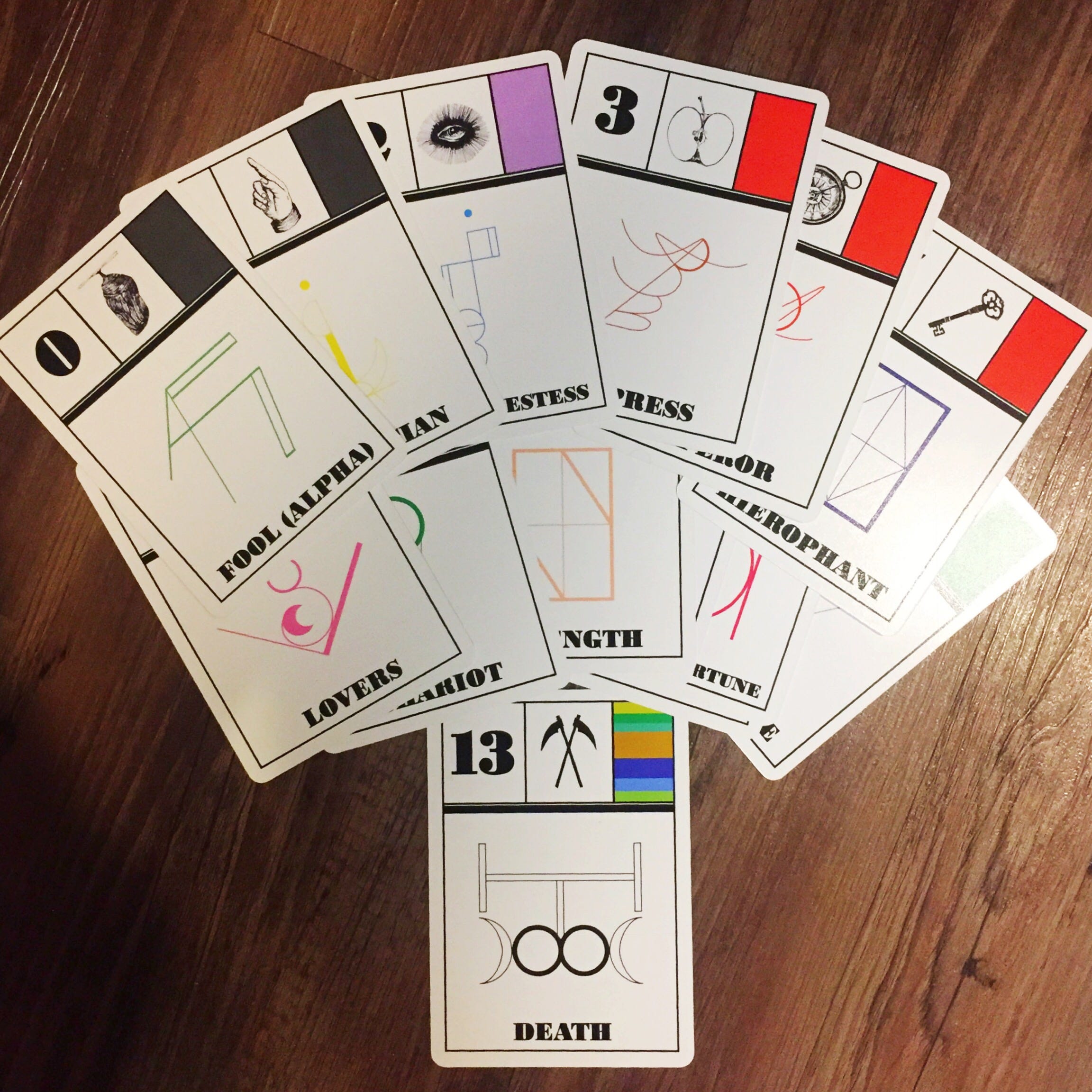
As the designer writes:
“The Black Phase involves various stages of breaking down what was established until the Prima materia (the self) has given in to the possibility of transformation. The previous concept of self is burned, dissolved, decomposed— thoroughly reduced to its essential elements, making way for new life to emerge from the ashes.”
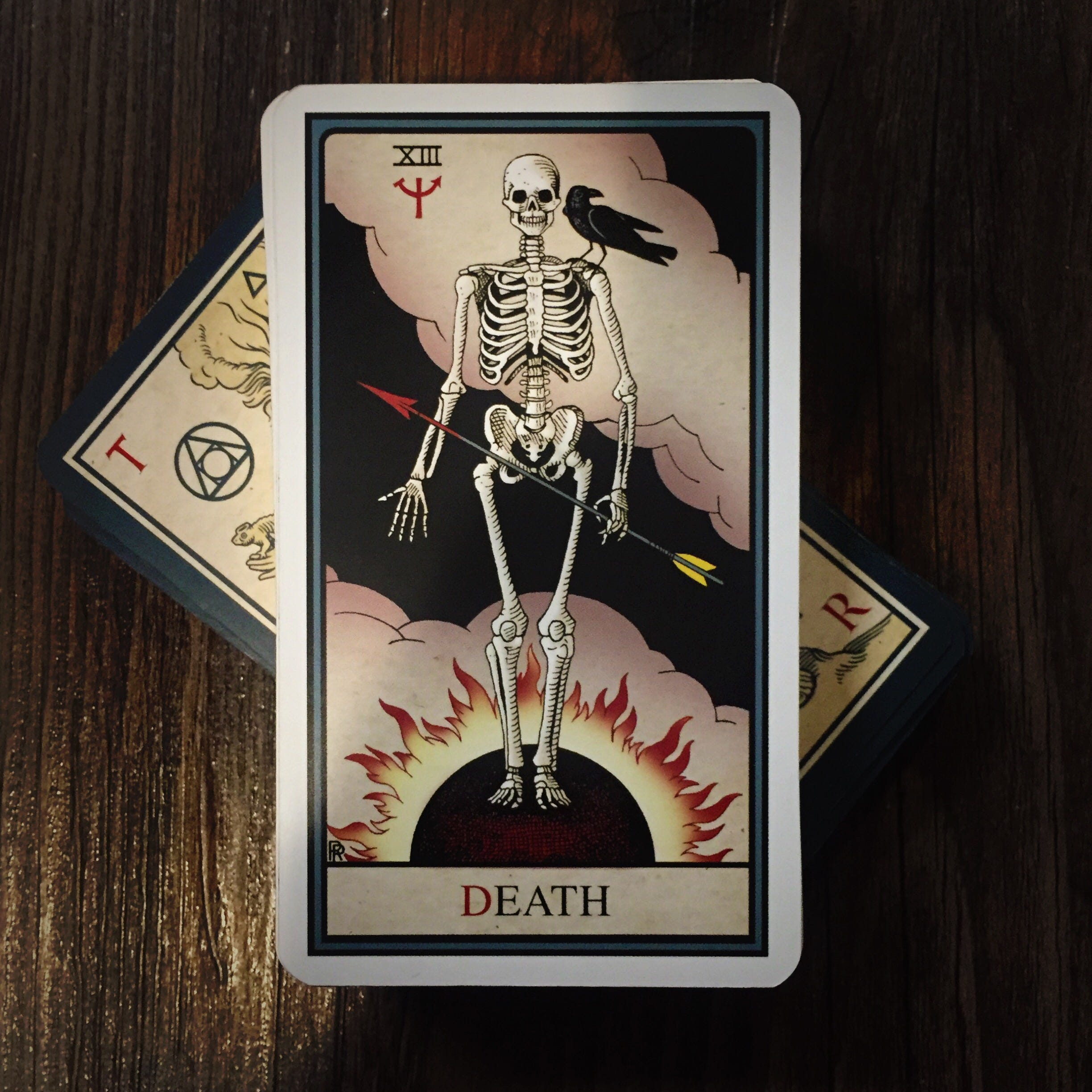
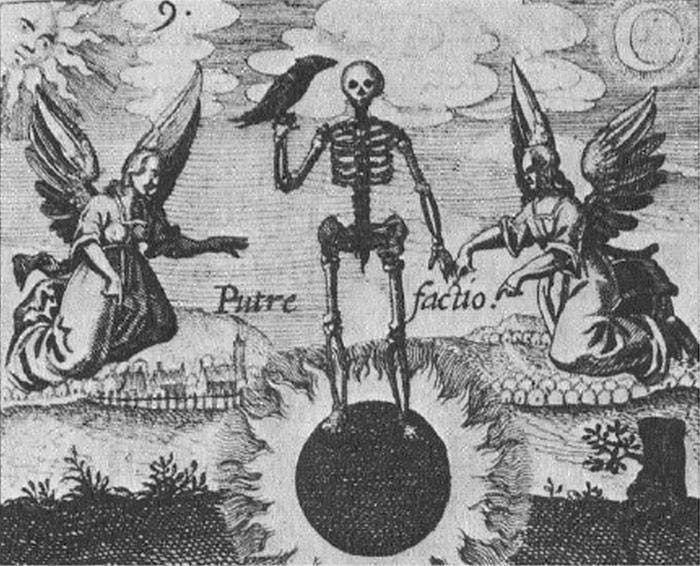
Noteworthy is that the Alchemical Tarot also portrays Death as the culmination of the Black Phase, reimagining much older imagery from Johann Daniel Mylius (Place top, then Mylius bottom in comparison below):
So it is interesting, then, that after Death comes Temperance, a card often overlooked in comparison with its much more dramatic neighbors. Despite its killjoy name, it is one of the most dynamic cards to pull in a reading, invariably informing the rest of the spread’s contents.
The Vitriolic Tarot places Temperance at the start of the White Phase, the alchemical process that follows the decay of the lesser stone:
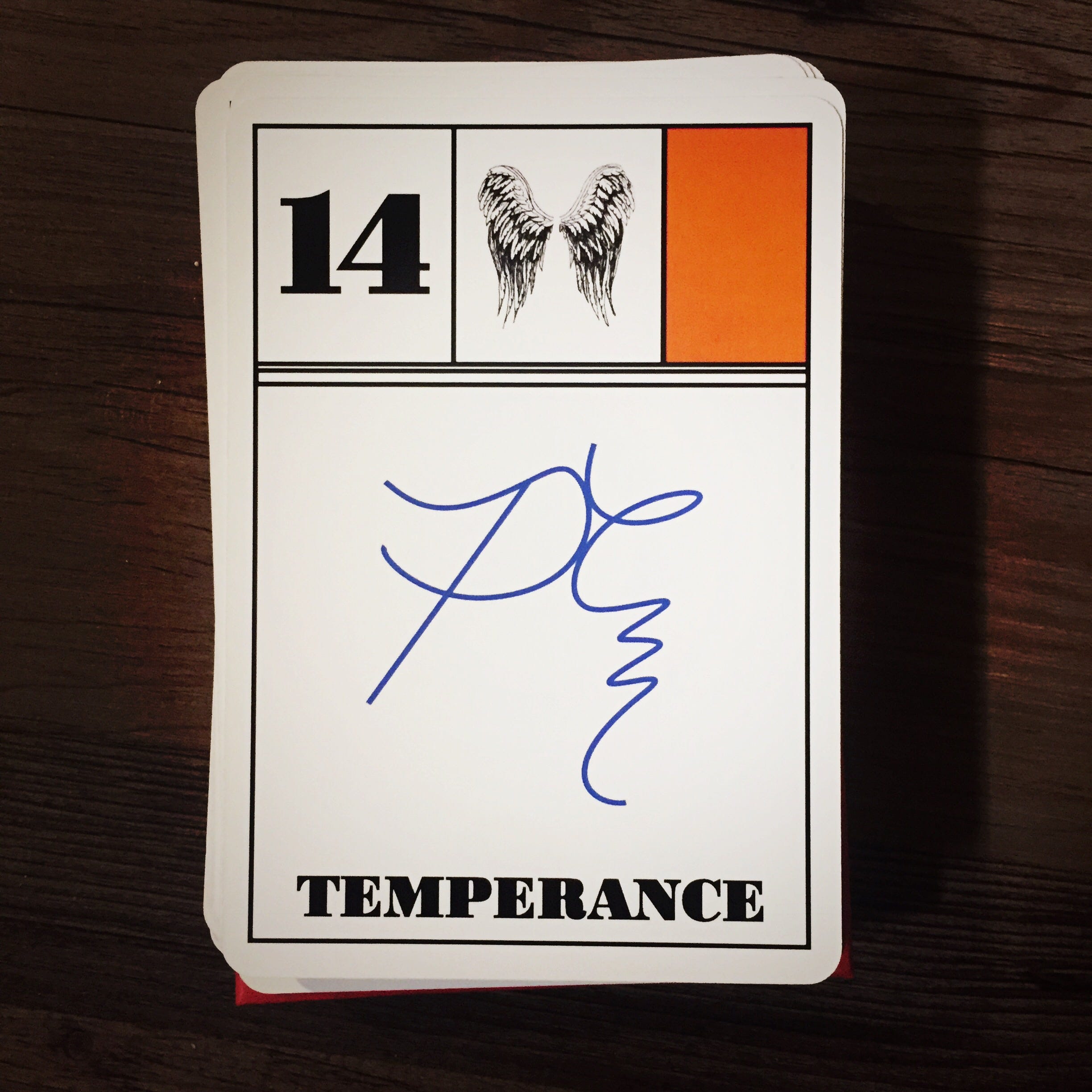
This begins with Distillation:
“The desired component is extracted from the product of Fermentation [Death] through heating, releasing the component as a vapor to be collected and cooled.”
Indeed, older versions of the card can be seen as an angel filtering a fermented product (wine), into a distillate (water), her work resembling that of an alembic:
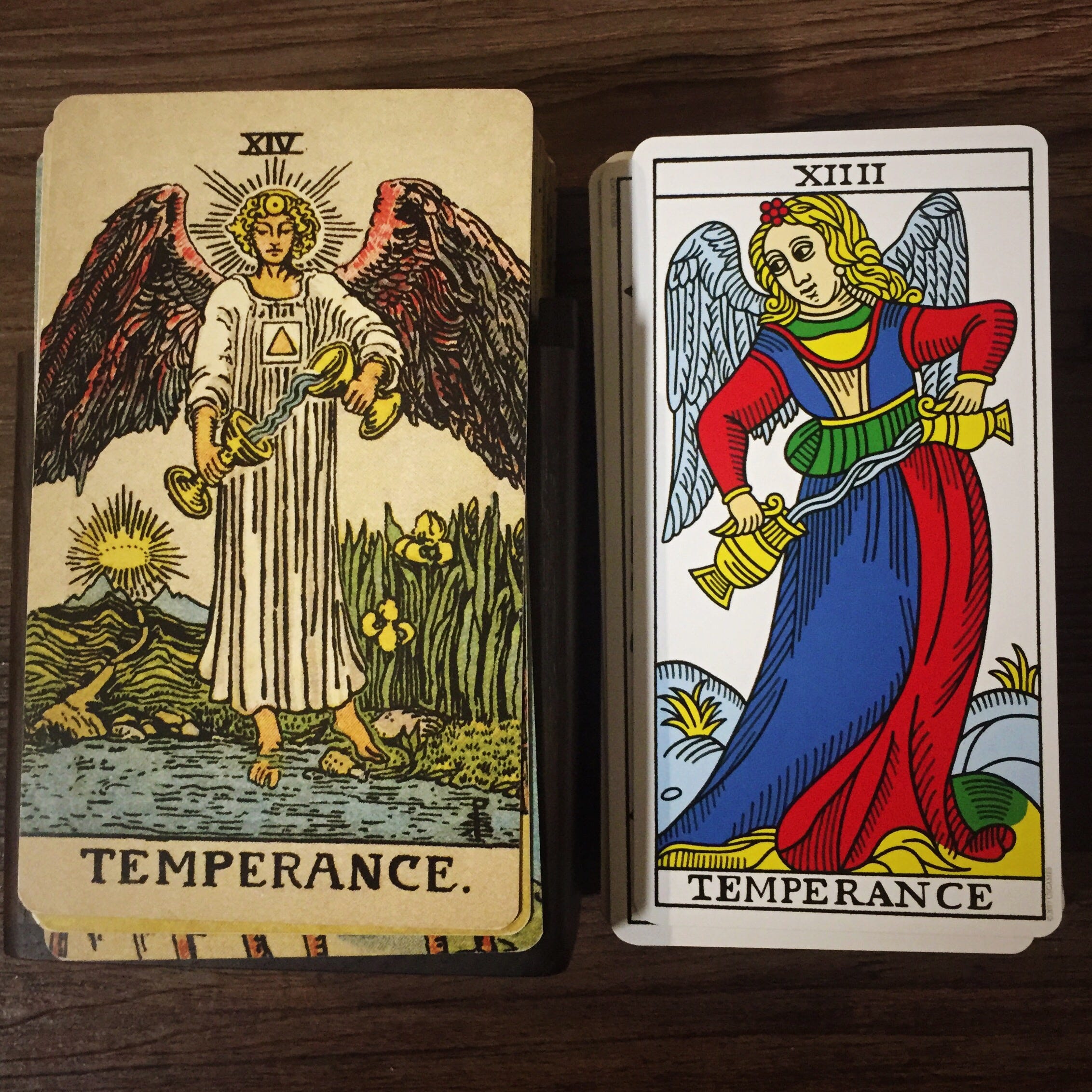
One thing becomes something else entirely. Temperance overcomes the annihilation that precedes it with calm, and purifies what remains to begin the process of rebirth.
In the Thoth deck, Temperance is renamed “Art,” and holds the title of “Daughter of the Reconcilers, The Bringer Forth of Life.” Crowley and Harris made no effort to hide the fact that their version of the card is also about alchemy:
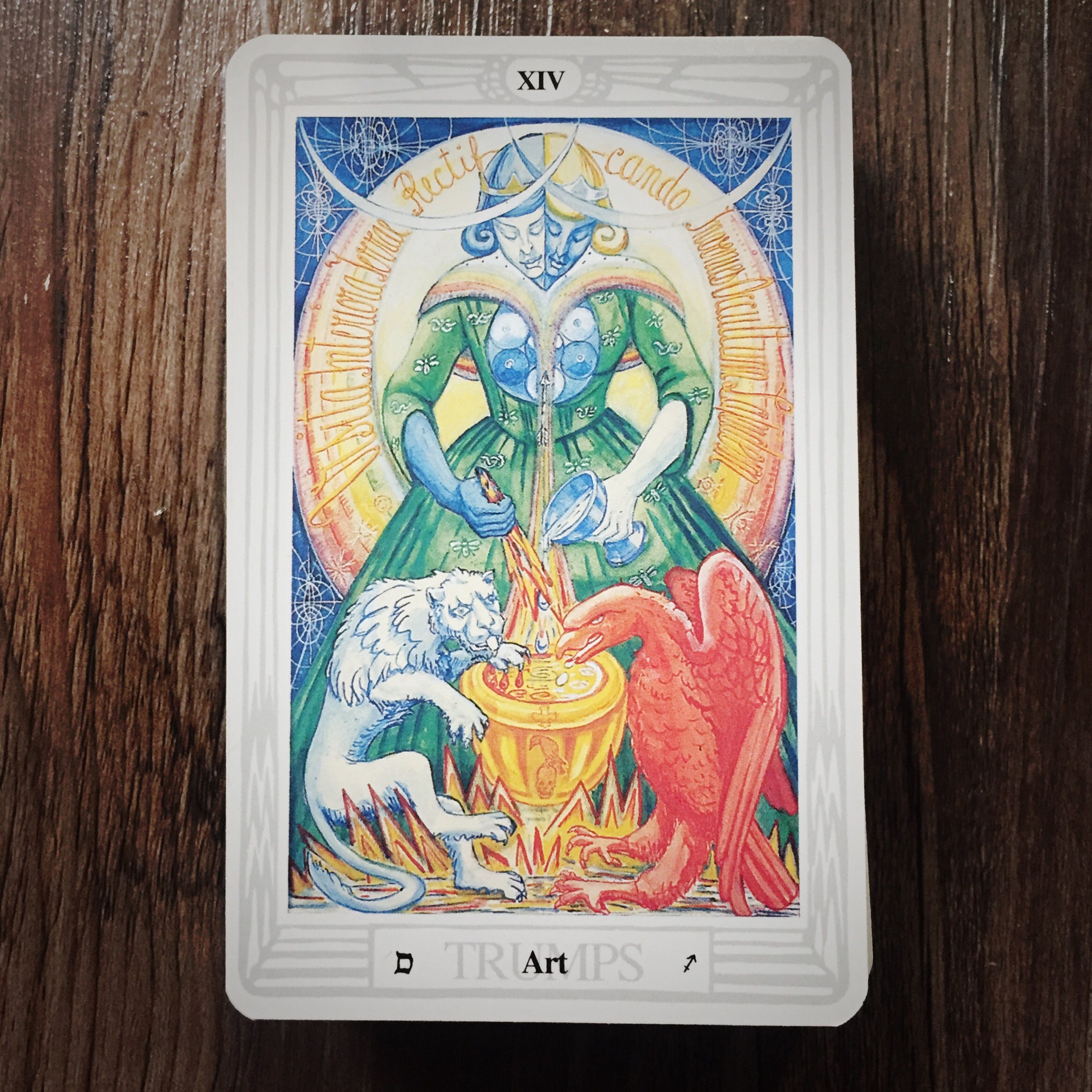
In a reading, I find that Arcanum XIV is most interesting when placed in conversation with the Minor Arcana. Its presence indicates a mechanism not by which one event informs the next, but instead, wherein one card becomes another.
If I pulled the following in chronological order, for instance:
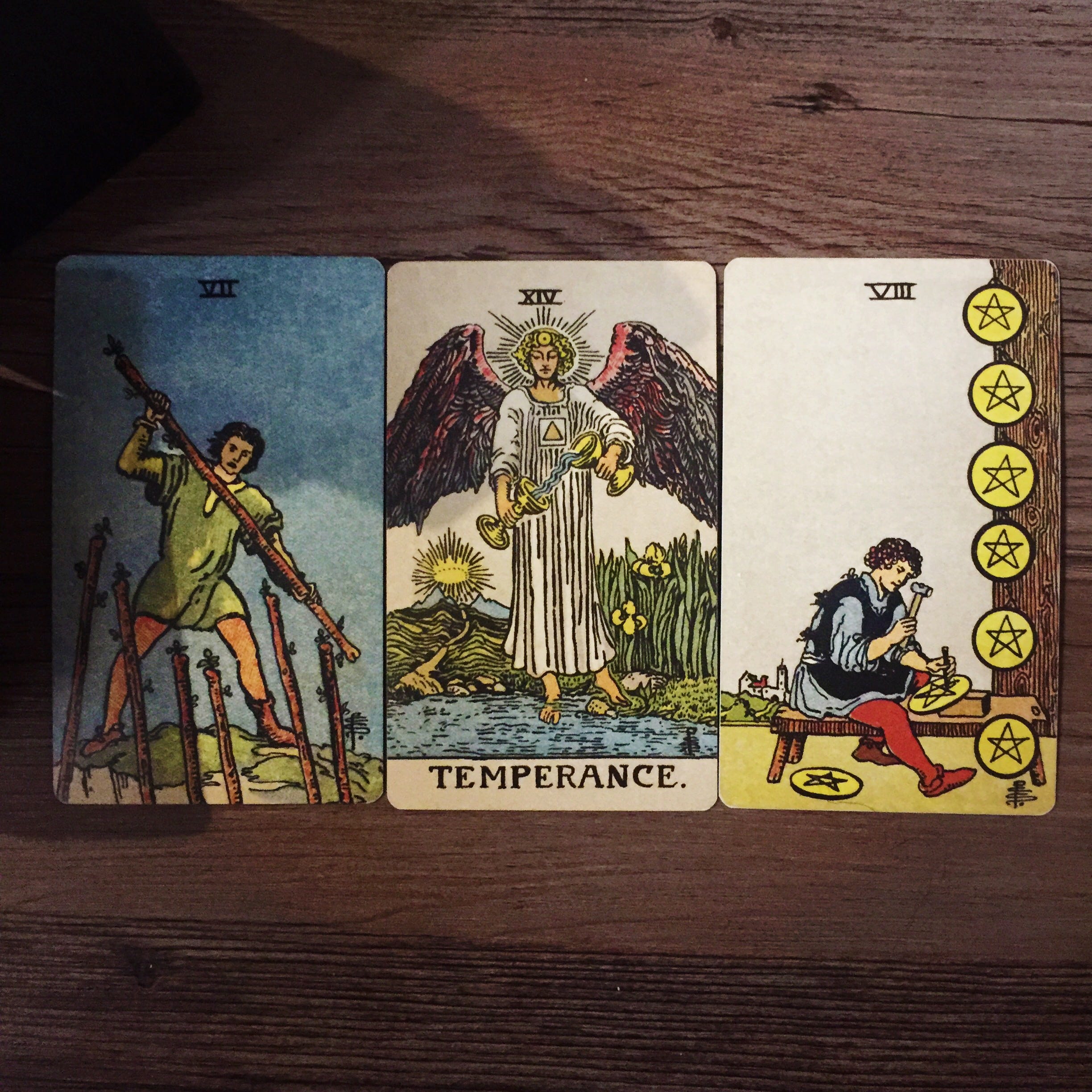
I would ask not how an outnumbered yet advantageous position in conflict eventually leads to the creation of a disciplined masterpiece, but rather, how the conflict becomes the masterpiece. With XIV in the middle, that VII is more than itself: perhaps the querent finds a career that emerges from years of difficult activism, or perhaps more direct conflict transforms into a sustainable career as a personal trainer.
Temperance is the engine that takes what was once ourselves, and brings out the essential. It removes the discrete boundaries between cards where it is present, allowing for a continuity of meaning. Two fluid forms can be understood as one at different points in time; the key is finding those forms in the remainder of the spread.